
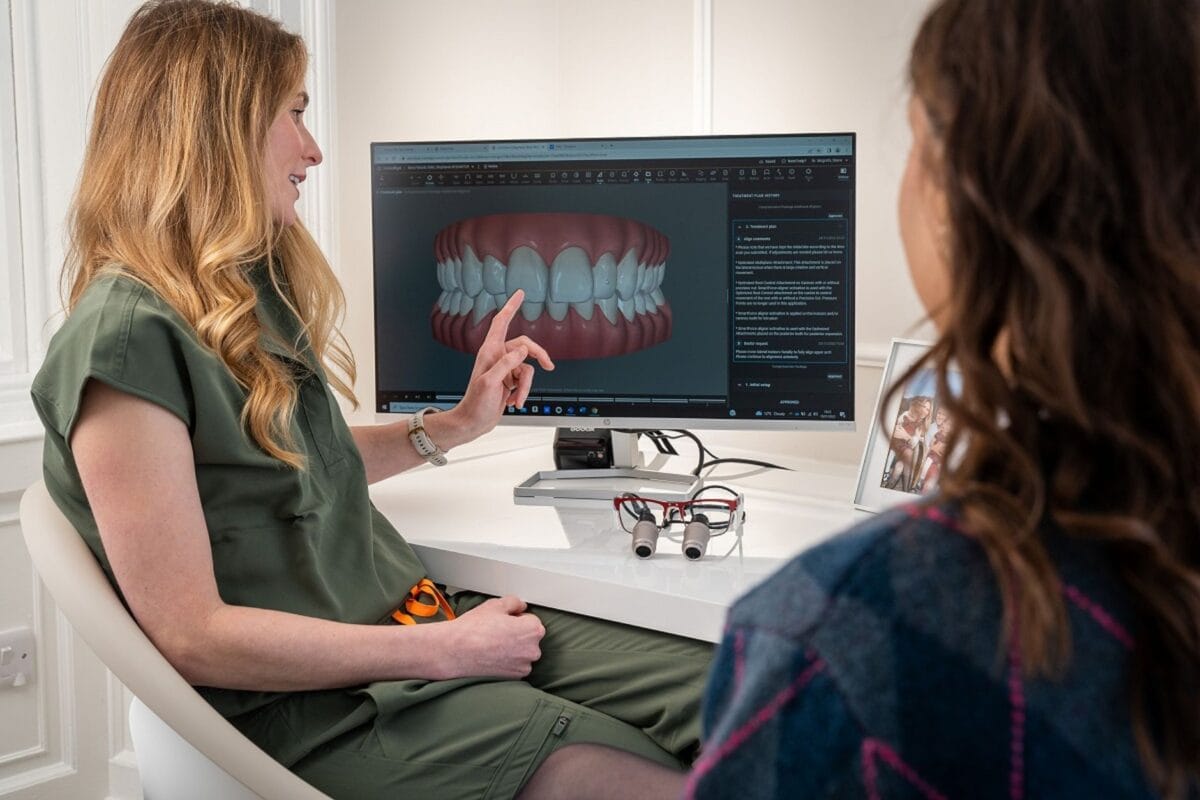
Thinking about improving your smile is exciting, but scheduling your first cosmetic dental consultation can also bring a few questions to mind. What will the dentist examine? Will you need treatment immediately? How much will everything cost? And how do you know which procedure is right for you?
These are perfectly reasonable questions, especially if you’ve never explored cosmetic dentistry before.
The good news is that a cosmetic dental consultation is primarily an opportunity to learn about your teeth, discuss your concerns, and understand your options. You don’t need to arrive knowing exactly which treatment you want.
For patients researching Family Cosmetic Dentistry Worcester, understanding what happens during an initial consultation can make the experience more comfortable and help them prepare for an informed conversation with their dentist.
Whether you’re considering teeth whitening, repairing a chipped tooth, or making a more noticeable change to your smile, your first appointment is where the planning begins.
Why Your First Cosmetic Dental Consultation Matters
Cosmetic dentistry is highly individual. Two people may have similar concerns about their smiles but need completely different treatment approaches.
For example, one patient may have tooth discoloration caused by surface stains, while another may have a darkened tooth following an old injury.
Although the teeth may look similar, the underlying causes and appropriate treatments can be very different.
A consultation helps your dentist understand the complete picture before recommending any procedure.
Understanding Your Oral Health
Your dentist needs to evaluate more than the appearance of your teeth.
Healthy gums, strong tooth structure, and a comfortable bite are important considerations when planning cosmetic improvements.
If untreated cavities or gum problems are present, those concerns may need attention before elective treatment.
Understanding Your Expectations
Everyone has different ideas about an attractive smile.
Some patients want subtle changes that are barely noticeable to others. Some want to improve the appearance of one tooth, while others are interested in several improvements.
Discussing your expectations helps your dentist recommend options that match your priorities.
Step 1: Discussing Your Dental History
Your appointment will generally begin with questions about your dental and medical history.
This information helps the dental team understand factors that could affect treatment recommendations.
Information Your Dentist May Ask About
Be prepared to discuss:
- Previous dental treatments.
- Existing crowns, veneers, or fillings.
- Tooth sensitivity.
- Gum health concerns.
- Teeth grinding or clenching.
- Previous dental injuries.
- Current medications.
- Relevant medical conditions.
- Allergies or previous reactions to dental materials.
You should also mention any discomfort or changes you’ve noticed, even if your main reason for visiting is cosmetic.
Why Honesty Matters
Some patients hesitate to mention dental anxiety, previous negative experiences, or habits such as grinding their teeth.
However, these details can influence treatment planning.
For example, frequent teeth grinding may increase the risk of damage to certain cosmetic restorations.
Sharing accurate information allows your dentist to consider these factors from the beginning.
Step 2: Explaining What You Want to Change
One of the most valuable parts of a cosmetic consultation is the conversation about your smile.
You don’t need to use technical dental terminology.
Simply explain what you’ve noticed and what you would like to improve.
Common Cosmetic Concerns
Patients often ask about:
- Yellow or stained teeth.
- Chipped front teeth.
- Uneven tooth edges.
- Small gaps between teeth.
- Differences in tooth size.
- Worn dental restorations.
- Changes in smile appearance over time.
Your dentist may ask which concerns matter most to you.
Be Specific About Your Goals
Instead of saying, “I want perfect teeth,” try explaining the particular feature you’d like to address.
For example, you might say that one front tooth looks shorter than the other or that your teeth have become darker over the years.
Specific concerns help guide the discussion toward realistic treatment possibilities.
Bring Questions or References
If you’ve seen a cosmetic result you like, you may choose to bring a photograph to explain your preferences.
However, photographs should be used as references rather than guarantees.
Your natural tooth structure, facial features, and oral health will influence which results are achievable.
Step 3: Examining Your Teeth and Gums
After discussing your concerns, the dentist will typically perform an oral examination.
This step helps determine whether your teeth and gums are healthy enough for the treatments you’re considering.
Evaluating Tooth Structure
Your dentist may examine your teeth for:
- Cavities.
- Cracks or fractures.
- Worn enamel.
- Existing restorations.
- Tooth discoloration.
- Changes in tooth shape.
- Signs of excessive grinding.
The condition of your natural teeth can affect which cosmetic procedures are appropriate.
Checking Gum Health
Healthy gums are important for both oral health and smile appearance.
Gum inflammation, recession, or periodontal disease may affect treatment planning.
If gum problems are present, your dentist may recommend addressing them before beginning elective cosmetic work.
Assessing Your Bite
Your bite describes how your upper and lower teeth come together.
An uneven bite or excessive pressure on certain teeth may affect the longevity of cosmetic restorations.
Evaluating these factors helps your dentist consider both appearance and function.
Step 4: Understanding Diagnostic Tools
Depending on your dental concerns, your dentist may recommend additional diagnostic information.
Not every cosmetic consultation requires the same tests.
Dental X-Rays
Dental X-rays may be recommended when necessary to evaluate tooth roots, existing restorations, or problems that cannot be identified through a visual examination alone.
They are used according to individual clinical needs rather than automatically for every cosmetic procedure.
Dental Photographs
Photographs may help document your starting smile and support treatment discussions.
They can also make it easier to explain tooth proportions, alignment concerns, and possible changes.
Digital Scans or Impressions
For certain procedures, dentists may use digital scans or traditional impressions to record the shape and position of teeth.
These records can help with planning restorations such as veneers or crowns.
The tools used depend on the procedure and the technology available at the dental practice.
Step 5: Exploring Your Cosmetic Treatment Options
Once your dentist understands your oral health and smile goals, the next step is discussing suitable treatment options.
For patients considering Family Cosmetic Dentistry Worcester, this is an opportunity to understand why one procedure may be recommended over another.
Professional Teeth Whitening
Whitening may be considered for patients who want to improve certain types of tooth discoloration.
Your dentist can explain whether whitening is suitable and how existing restorations may affect the final appearance.
Dental Bonding
Bonding may be appropriate for selected minor chips, uneven edges, or small gaps.
The procedure uses tooth-colored composite resin to improve tooth appearance.
Porcelain Veneers
Veneers may be considered when patients want to address certain concerns involving tooth color, shape, or minor spacing differences.
Because veneer treatment may involve permanent enamel removal, patients should understand the long-term implications.
Restorative Treatment
Sometimes, a cosmetic concern is connected to a damaged or unhealthy tooth.
In these situations, a filling, crown, or another restorative procedure may be more appropriate than a purely cosmetic treatment.
Orthodontic Evaluation
If your primary concern involves tooth alignment or bite problems, orthodontic treatment may be recommended.
Not every spacing or alignment issue should be addressed by changing tooth shape.
Step 6: Reviewing Your Personalized Treatment Plan
After discussing the available options, your dentist may recommend a treatment plan.
The complexity of the plan depends on your oral health and the improvements you’re considering.
What a Treatment Plan May Include
A proposed plan may explain:
- The dental concerns identified during examination.
- Recommended treatment options.
- The expected number of appointments.
- Whether tooth preparation is required.
- Possible risks and limitations.
- Estimated treatment costs.
- Maintenance requirements.
- Alternative approaches.
Some patients may need only one procedure, while others may require treatment in stages.
You Don’t Have to Decide Immediately
Cosmetic treatment is generally elective.
You should have enough time to understand your options, consider the costs, and ask additional questions before proceeding.
A consultation is not a commitment to begin treatment.
Step 7: Understanding Costs and Insurance
Cost is an important part of cosmetic dental planning.
Different procedures involve different materials, appointment requirements, and levels of complexity.
Request a Clear Cost Estimate
Ask for an estimate that explains the recommended treatment and any expected additional expenses.
For procedures requiring multiple appointments, clarify what is included in the quoted amount.
Check Dental Insurance Coverage
Many purely cosmetic procedures are not covered by dental insurance.
However, certain restorative treatments may qualify for benefits when they address damaged or diseased teeth.
Coverage depends on your insurance policy and the clinical reason for treatment.
Consider Future Maintenance
The initial procedure is not always the final expense.
Whitening results may fade, bonding may require repairs, and veneers or crowns may eventually need replacement.
Understanding these possibilities helps you plan for long-term care.
How to Prepare for Your First Cosmetic Dental Appointment
A little preparation can help you get more value from your consultation.
Write Down Your Questions
Before your appointment, make a list of concerns you’d like to discuss.
This helps ensure you don’t forget anything important during the visit.
Know Your Dental History
If you’ve received treatment from another dental provider, having relevant records available may be helpful.
Your new dentist can explain whether previous records are needed.
Be Open About Your Budget
If cost is a concern, mention it during the consultation.
Understanding your financial priorities may help your dentist discuss appropriate alternatives.
Keep Your Expectations Realistic
Cosmetic dentistry can improve many concerns, but results vary.
The goal should be to choose treatment that supports your oral health and personal preferences.
Questions Worth Asking Before You Leave
Before finishing your appointment, make sure you understand the recommendations.
Useful questions include:
- What is causing my cosmetic concern?
- Which treatment options are appropriate?
- What are the advantages and disadvantages?
- Will the procedure affect natural tooth structure?
- How long might the results last?
- What maintenance will be necessary?
- Are there any possible complications?
- What happens if I decide not to proceed?
Clear communication helps you make informed decisions.
What Happens After Your Consultation?
The next steps depend on your dental needs.
Some patients may schedule a cosmetic procedure after reviewing their options.
Others may need preventive or restorative treatment first.
You may also decide to wait, seek another professional opinion, or continue routine dental care without cosmetic treatment.
All of these can be reasonable decisions depending on your circumstances.
When researching Family Cosmetic Dentistry Worcester, remember that a successful consultation should leave you better informed about your dental health, even if you don’t begin treatment immediately.
Your First Visit Is the Beginning of an Informed Decision
Exploring cosmetic dentistry doesn’t have to feel overwhelming.
Your first consultation is an opportunity to ask questions, understand your oral health, and learn which treatments may be appropriate for your smile.
From discussing your concerns to reviewing possible procedures, every step should help you make a decision that feels comfortable and informed.
At Friendly Dental of Worcester, patients can begin by discussing their smile goals and learning about available dental services.
Whether you’re considering whitening, repairing a chipped tooth, or simply exploring your options, professional guidance can help you understand the next steps.
Ready to schedule your first cosmetic dental consultation?
Contact Friendly Dental of Worcester to ask about available services and request an appointment.
