When people hear the words “cosmetic dentistry,” they sometimes picture extremely white, perfectly identical teeth. But for many patients, that’s not what they want at all.
They simply want to look like themselves—with a healthier, brighter, more balanced smile.
Maybe one tooth has always looked slightly different. Perhaps years of coffee have changed the color of your teeth. You may have a small chip that constantly catches your eye in photographs, or older dental work that no longer blends naturally with your smile.
Modern cosmetic dentistry can address concerns like these without necessarily creating a dramatic transformation.
With Family Cosmetic Dentistry Worcester, the goal can be much more personal: understand what bothers you about your smile and explore improvements that complement your natural appearance.
What Makes a Smile Look Natural?
A beautiful smile isn’t defined by one specific tooth shape or shade.
Look closely at natural teeth and you’ll notice small differences in shape, size, translucency, and position. Those subtle characteristics are part of what makes a smile look real.
That’s why cosmetic treatment shouldn’t necessarily aim to make every tooth identical.
Several factors can influence the appearance of a smile:
- Tooth color
- Tooth shape
- Tooth size and proportion
- Alignment
- Spacing
- Gum appearance
- Existing dental restorations
- Facial features
- Lip position when smiling
Good cosmetic planning considers the entire smile rather than focusing on one detail in isolation.
Start With What You Actually Want to Change
One of the most useful things you can do before a cosmetic consultation is identify exactly what bothers you.
You don’t need to know the name of the procedure you need.
Instead of arriving and saying, “I want veneers,” for example, explain what you see when you look in the mirror.
Maybe you feel your teeth are too yellow. Perhaps one tooth looks shorter than the others. Maybe you’re bothered by a gap or an old restoration.
Ask Yourself a Few Simple Questions
Before your appointment, consider:
- What is the first thing I notice about my smile?
- Is there one tooth bothering me or several?
- Do I want a subtle improvement or a larger change?
- Am I primarily concerned about color, shape, or alignment?
- Do I like the natural character of my current smile?
- Is there anything I definitely don’t want to change?
These answers can help your dentist understand what a successful result means to you.
Brighter Doesn’t Always Mean Better
Teeth whitening is one of the first treatments people associate with cosmetic dentistry.
A brighter smile can certainly look refreshed, but the goal doesn’t always have to be achieving the lightest possible shade.
Natural teeth come in many shades.
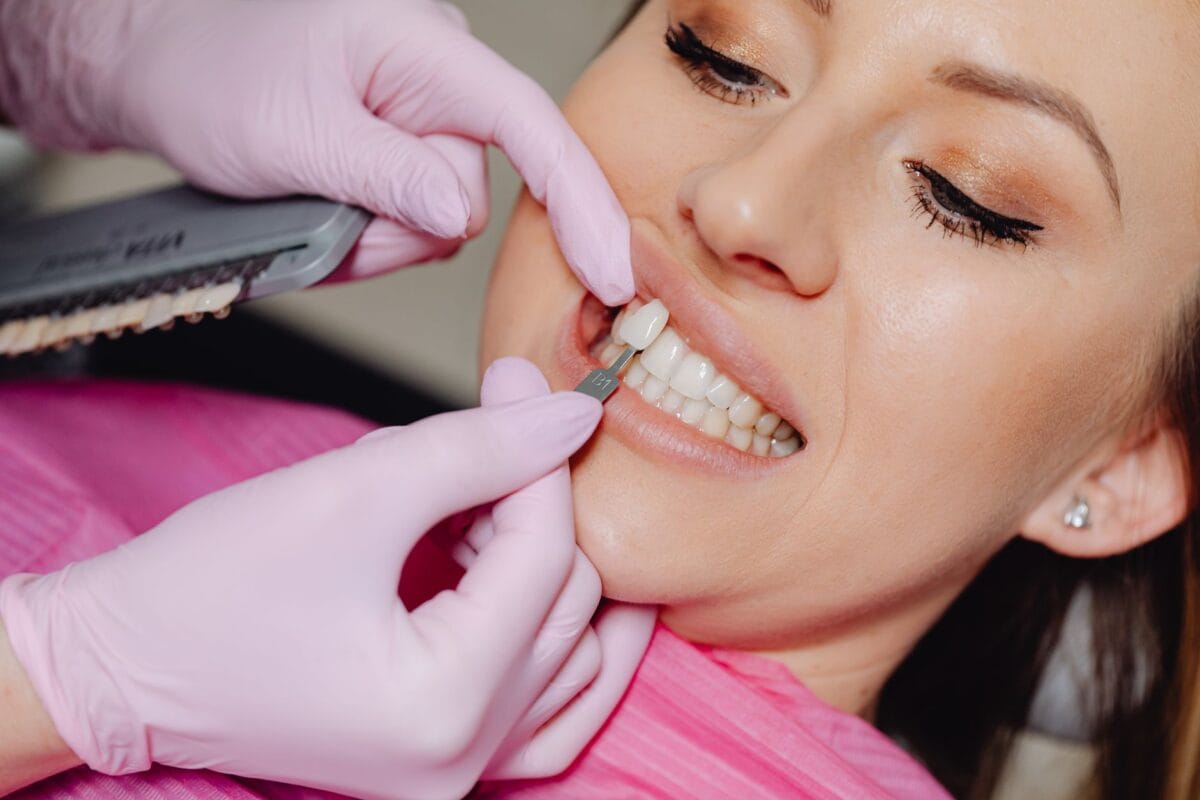
Professional whitening can be used to brighten natural teeth in appropriate situations, while treatment can be tailored to the patient’s goals.
Why a Dental Evaluation Matters Before Whitening
Not every type of discoloration responds to whitening in the same way.
Additionally, dental restorations such as crowns, fillings, and veneers don’t necessarily lighten along with natural enamel.
If you have visible dental work, whitening your surrounding teeth could potentially create differences in color that need to be considered during treatment planning.
That’s one reason professional evaluation is valuable before changing your tooth shade.
Small Changes Can Make a Big Difference
A complete smile makeover isn’t always necessary.
Sometimes changing one or two details can improve the overall balance of a smile.
Imagine a front tooth with a small chip. Your other teeth might look exactly the way you want them to, but your attention always goes to that single uneven edge.
Correcting the small imperfection may be enough to change how you feel about your entire smile.
This is where conservative cosmetic treatments can be especially useful.
Dental Bonding for Subtle Improvements
Dental bonding may be considered for certain minor cosmetic concerns.
Tooth-colored material can be carefully applied and shaped to modify selected areas of a tooth.
Depending on the patient’s situation, bonding may help with:
- Small chips
- Minor spaces between teeth
- Uneven tooth edges
- Selected shape irregularities
- Certain cosmetic imperfections
One advantage of discussing bonding during a cosmetic consultation is determining whether it provides an appropriate solution or whether another treatment would offer better long-term results.
Every case is different.
When Veneers May Be Considered
Some cosmetic concerns involve more than a single small imperfection.
Veneers may be discussed when a patient wants to modify the visible appearance of selected teeth.
Depending on the situation, they can potentially address combinations of concerns involving color, shape, size, or proportion.
However, veneers shouldn’t automatically be the starting point for everyone interested in cosmetic dentistry.
Your dentist should first evaluate your oral health, existing tooth structure, bite, previous dental work, and goals.
The best treatment is the one appropriate for your individual circumstances—not simply the procedure that’s most popular online.
Cosmetic and Restorative Dentistry Often Overlap
Sometimes a tooth doesn’t only need to look better. It needs to become stronger or more functional as well.
For example, a significantly damaged tooth may require restorative treatment.
In situations like these, treatments such as dental crowns can serve an important functional purpose while also improving appearance.
A well-planned restoration should consider:
- Tooth function
- Strength
- Shape
- Size
- Color
- Relationship to neighboring teeth
This combination of function and aesthetics is an important part of Family Cosmetic Dentistry Worcester.
The objective isn’t simply to cover an imperfection. It’s to consider the health and function of the tooth alongside its appearance.
Avoid the “One Smile Fits All“ Approach
Social media has dramatically changed the way people think about cosmetic dentistry.
Patients can scroll through hundreds of smile transformations in minutes.
While those images may provide inspiration, they can also create unrealistic expectations.
A smile that looks fantastic on one person may not complement another person’s features.
Your Smile Should Still Feel Like Yours
Personalized cosmetic dentistry considers factors such as your natural teeth, facial proportions, age, preferences, and overall appearance.
Some patients want a noticeable transformation.
Others want their friends and coworkers to notice that something looks better without being able to identify exactly what changed.
Both are valid goals.
The important thing is communicating your expectations clearly.
Healthy Teeth Come Before Cosmetic Changes
No matter how subtle or extensive the cosmetic plan is, oral health should remain the foundation.
Before beginning elective treatment, your dentist may evaluate your teeth and gums for issues that require attention.
This could include checking for:
- Tooth decay
- Gum problems
- Damaged teeth
- Failing restorations
- Signs of excessive wear
- Bite-related concerns
Addressing underlying dental problems first can create a healthier foundation for cosmetic improvements.
Build Your Smile Makeover Step by Step
Not every cosmetic plan needs to happen in one appointment or even one month.
For some patients, a phased approach may make more sense.
A personalized plan could involve several stages.
Step 1: Establish Oral Health
Begin with an examination and address active dental concerns.
Step 2: Define Your Cosmetic Priorities
Identify which aspects of your smile matter most to you.
Step 3: Review Treatment Options
Discuss different approaches, including their benefits, limitations, maintenance, and expected outcomes.
Step 4: Prioritize Treatments
Some procedures may need to happen before others. For example, tooth color may need to be considered before certain restorations are planned.
Step 5: Maintain Your Results
Continue regular preventive care and follow recommendations for maintaining your cosmetic treatment.
Breaking the process into manageable steps can make improving your smile feel much less overwhelming.
How to Keep Your Smile Looking Its Best
Once you’re happy with your smile, daily maintenance matters.
Even excellent cosmetic dentistry requires ongoing care.
Brush thoroughly twice a day, clean between your teeth regularly, and attend routine dental appointments.
You may also want to be mindful of habits that could stain or damage your teeth.
For example, frequently biting hard objects or using your teeth to open packaging can increase the risk of damage.
If you grind or clench your teeth, tell your dentist so they can evaluate whether additional protection may be appropriate.
Choose Confidence, Not Perfection
Cosmetic dentistry doesn’t need to be about chasing a flawless smile.
Often, the most satisfying results come from identifying the details that genuinely bother you and improving them while preserving the characteristics that make your smile unique.
With Family Cosmetic Dentistry Worcester, patients can explore options that combine oral health, function, aesthetics, and personal preferences rather than following a standard formula.
Whether you’d like to brighten your teeth, improve a small chip, address uneven shapes, refresh older dental work, or simply understand what’s possible, your journey should begin with a conversation.
At Friendly Dental of Worcester, your cosmetic treatment can be designed around your individual smile rather than someone else’s idea of perfection.
