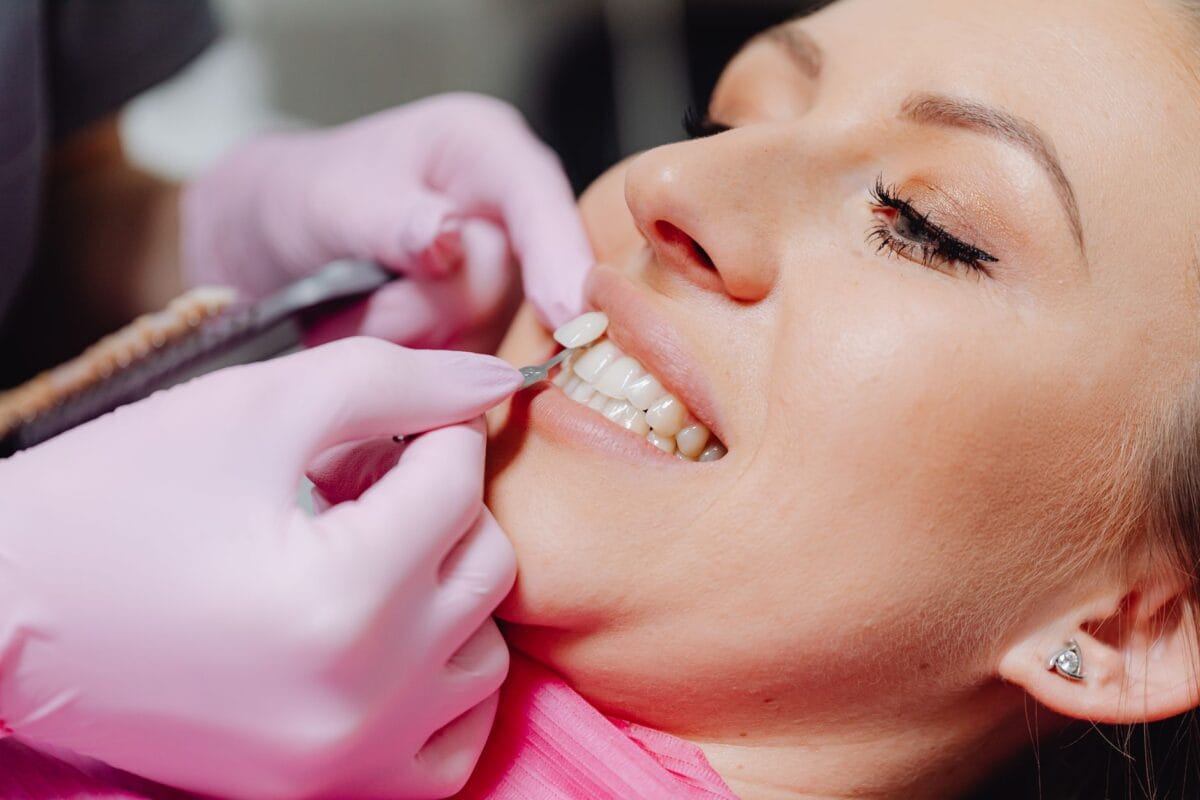
You know there’s something about your smile you’d like to change—but you may have no idea what treatment you actually need.
Should you whiten your teeth? Is bonding enough to repair that small chip? Would veneers make sense? What happens if a tooth isn’t just unattractive but also damaged?
These are common questions, and you don’t need to have the answers before visiting a dentist.
In fact, one of the best ways to approach cosmetic dentistry is to start with your concern rather than a specific procedure. Tell your dentist what you notice, what bothers you, and what you’d like your smile to look like. From there, your oral health and available options can be evaluated.
With Family Cosmetic Dentistry Worcester, treatment can be personalized around the individual rather than applying the same cosmetic solution to every smile.
Start With the Problem, Not the Procedure
Online searches and social media can make it seem as though every cosmetic concern has one obvious solution.
Yellow teeth? Whitening.
Chipped tooth? Bonding.
Don’t like your smile? Veneers.
Real treatment planning is more nuanced.
The appearance of a tooth can be influenced by its underlying health, previous dental work, position, shape, surrounding teeth, gums, and bite.
That’s why two patients who appear to have similar cosmetic concerns could receive completely different recommendations.
Before choosing a treatment, your dentist needs to understand what is causing the concern and what outcome you’re hoping to achieve.
Concern #1: My Teeth Look Stained or Yellow
Tooth discoloration is extremely common.
Natural aging, dietary habits, coffee, tea, tobacco, and other factors can gradually affect tooth color.
If your teeth are healthy but you’d like them to look brighter, professional whitening may be one option to discuss.
Is Whitening Always the Answer?
Not necessarily.
Different types of discoloration can respond differently to whitening treatment.
Another consideration is existing dental work. Crowns, fillings, veneers, and other restorations generally don’t respond to whitening exactly like natural enamel.
For someone with visible restorations, changing the color of surrounding natural teeth may therefore require additional planning.
A dental examination can help determine what’s causing the discoloration and whether whitening is appropriate.
Concern #2: I Have a Small Chipped Tooth
It doesn’t take a large chip to change the appearance of your smile.
When the chip is on a front tooth, even a tiny uneven area can become the first thing you notice in photographs or when looking in the mirror.
Before correcting the appearance, your dentist should evaluate the tooth to determine how much structure has been affected.
For selected minor cosmetic imperfections, dental bonding may be considered.
A tooth-colored material can be shaped to complement the tooth and improve its appearance.
However, a larger or structurally compromised tooth may require a different restorative approach.
The size, location, cause, and condition of the tooth all matter.
Concern #3: There’s a Gap Between My Teeth
Some people love the character a gap gives their smile. Others have wanted to close one for years.
Neither preference is wrong.
If you’re interested in changing a gap, your dentist can evaluate its size, location, surrounding teeth, and possible causes before discussing options.
Depending on your individual circumstances, different cosmetic or dental treatments may be considered.
For certain small spaces, bonding could potentially alter the shape of neighboring teeth and reduce the visual gap.
Other situations may require a completely different treatment approach.
The key is creating a result that looks proportional rather than simply making the space disappear.
Concern #4: One Tooth Looks Different From the Others
Sometimes the entire smile isn’t the problem.
It’s one tooth.
Maybe one tooth is darker, shorter, more worn, chipped, or shaped differently from the surrounding teeth.
These situations can be particularly frustrating because your attention naturally goes to the difference.
The good news is that cosmetic dentistry doesn’t always require treating multiple teeth.
Matching Matters
When modifying one visible tooth, the surrounding teeth become an important reference.
Your dentist may consider:
- Color
- Shape
- Width
- Length
- Surface characteristics
- Position
- Neighboring restorations
The objective is generally to help the treated tooth fit naturally into the overall smile.
Concern #5: My Teeth Look Worn Down
Tooth wear can gradually change a smile.
Edges that were once rounded or defined may become flatter. Teeth can appear shorter, and small cracks or chips may develop.
But wear isn’t purely a cosmetic issue.
Before rebuilding worn teeth, it’s important to investigate why the wear occurred.
Potential contributing factors may include grinding, clenching, bite-related forces, or other habits.
Simply improving the appearance without considering the underlying cause could leave an important issue unresolved.
This is a good example of why Family Cosmetic Dentistry Worcester involves more than aesthetics. Function and long-term dental health also need to be considered.
Concern #6: My Old Dental Work Is Noticeable
Dental restorations can last for many years, but they don’t necessarily remain unchanged forever.
You may eventually notice that an older restoration looks different from your surrounding teeth, or your dentist may determine that it requires replacement for clinical reasons.
When restorative treatment is needed, appearance can be considered as part of the process.
Modern dental materials can often be selected and designed with the surrounding smile in mind.
However, replacing dental work solely for cosmetic reasons should be carefully discussed with your dentist. Existing tooth structure, restoration condition, potential benefits, and treatment requirements all need to be considered.
Concern #7: I Don’t Like Several Things About My Smile
Sometimes there isn’t one specific problem.
You may want your teeth to look brighter, more balanced, and more consistent overall.
In this situation, resist the temptation to assume you automatically need the most extensive cosmetic treatment available.
A smile improvement plan can sometimes involve a combination of treatments.
For example, your dentist might identify which concerns can be addressed conservatively and which require more involved treatment.
Prioritize What Matters Most
Ask yourself:
- What bothers me most about my smile?
- What would I change first?
- Do I want a subtle improvement or significant transformation?
- How much treatment am I comfortable having?
- What level of maintenance am I willing to commit to?
- Is there a specific event or deadline motivating me?
Your answers can make the consultation much more productive.
Why Your Oral Health Comes First
Cosmetic treatment works best when it’s built on a healthy foundation.
Before recommending elective cosmetic procedures, your dentist may examine your teeth, gums, existing restorations, and bite.
If an active dental issue is discovered, it may need to be addressed first.
For example, improving the color of a tooth doesn’t solve untreated decay. Changing tooth shape won’t address unhealthy gums. Restoring worn teeth without evaluating the reason for the wear may overlook the underlying cause.
Health and appearance shouldn’t compete with each other.
The goal should be to find a solution that respects both.
Don’t Choose Cosmetic Dentistry Based Only on Price
Cost understandably plays a role in dental decisions.
But comparing treatments purely by price can be misleading because different procedures solve different problems.
A less expensive option isn’t a good value if it isn’t appropriate for your dental needs. Likewise, a more extensive procedure isn’t automatically better simply because it costs more.
When reviewing treatment options, consider:
- What problem does this treatment address?
- Are there more conservative alternatives?
- What are its limitations?
- What maintenance will it require?
- How does it affect existing tooth structure?
- What results can reasonably be expected?
Understanding the full picture can help you make a more informed decision.
Cosmetic Dentistry Should Be Personal
One of the biggest mistakes patients can make is trying to recreate someone else’s smile exactly.
A celebrity’s teeth, an influencer’s veneers, or a friend’s whitening results may provide inspiration, but your treatment should be designed around you.
Your natural teeth, facial features, dental health, lifestyle, and personal preferences all influence what will look and function best.
For some patients, the ideal outcome is a dramatic transformation.
For others, success means fixing one tiny imperfection while keeping everything else exactly the same.
Personalization is what makes the difference.
Questions to Ask During Your Cosmetic Consultation
A consultation isn’t only an opportunity for the dentist to examine your teeth. It’s also your opportunity to understand your options.
Consider asking:
- What treatment options could address my concern?
- Which option is the most conservative?
- What results should I realistically expect?
- Will the treatment affect my natural tooth structure?
- How will I maintain the results?
- Are there dental issues I should address first?
- Could I complete treatment in stages?
Don’t hesitate to explain your priorities, including your budget, timeline, and desired level of change.
The more clearly you communicate your expectations, the easier it becomes to develop an appropriate plan.
Find the Right Solution for Your Smile
You don’t need to diagnose your own smile before visiting the dentist.
You simply need to know what you’d like to improve.
Whether your concern involves discoloration, a small chip, uneven teeth, visible dental work, wear, spacing, or several issues at once, Family Cosmetic Dentistry Worcester offers an opportunity to look at your smile as a whole and determine which options may be appropriate.
At Friendly Dental of Worcester, cosmetic care can begin with a simple conversation about what you see, how you feel about your smile, and what you’d like to change.
Instead of choosing a procedure because it’s popular, choose a treatment plan based on your oral health, individual needs, and personal goals.
A confident smile doesn’t have to look like anyone else’s. It should look right for you.
